


Jun 11, 2024

Now that summer has arrived I’m sure you’ll be rolling up to the pump even more than normal. But with summer comes higher gas prices, and if you’re looking for a way to save a couple of extra bucks you might think about pumping regular instead of premium. If that’s the case, we’re here to tell you that’s a very bad idea! You might wonder why, and that’s a great question! This week we are going to break down all you need to know about the different types of gas you can choose from. So next time you pull up to the pump you won’t be asking why there are three choices and what those numbers mean!
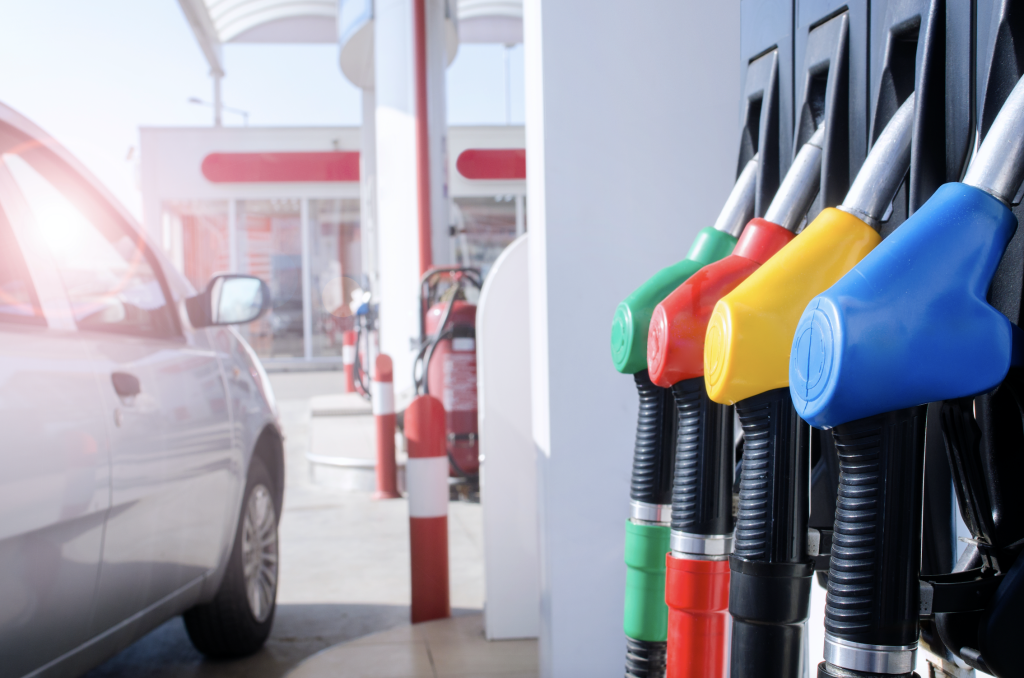
The real difference between fuel types:
- The most obvious difference between fuel types is the price point that comes along with them. When you pull up you’ll notice that “premium” fuel is more expensive and it’s a pretty obvious difference. In fact, premium fuel usually runs about 20 cents higher than regular fuel. In addition to those price tags, premium fuel has a higher octane level. The numbers you see, 92, 83 and 87, indicate how much octane is in the fuel. So in order to differentiate the octane levels, premium is a higher number and regular gas has a lower number.
What is octane:
- Great question! Octane is how much compression fuel can withstand before igniting within your engine. A higher octane fuel will not pre-ignite or explode as quickly as lower octane gas. So, it’s important to fill up with the right fuel especially if your vehicle requires premium fuel.
The right fuel matters and here’s why:
- Every vehicle on the road today is designed differently and designed specifically to run on a certain type of fuel. And while it might seem like a great idea to fill up with a cheaper fuel option, it could leave you with a damaged vehicle and a hefty repair bill. If you choose to fill up with lower levels, combustion will occur faster and could lead to engine issues! If you choose to use a higher octane fuel when you usually use regular, the risk isn’t as great. But it also won’t give you any real benefits. So, what’s the point? Well, there is none! Just fill up the tank with the recommended fuel level. And if you’re not sure what that may be, take a look in your owner’s manual or give us a call today!
Connect with us


Recent Blog Entries
- Not All Ears Hear the Same. Now Your Nissan Knows That.
- Loughead Nissan Monthly Offers: Exceptional Savings on New Nissan Models
- What’s Your Ride Worth? 3 Reasons to Trade Your Car for a Nissan at Loughead Nissan
- Loughead Nissan Monthly Offers – Incredible Savings on 2025–2026 Models
- J.D. Power Study Names Nissan “Top-Performing Mass-Market Brand”